


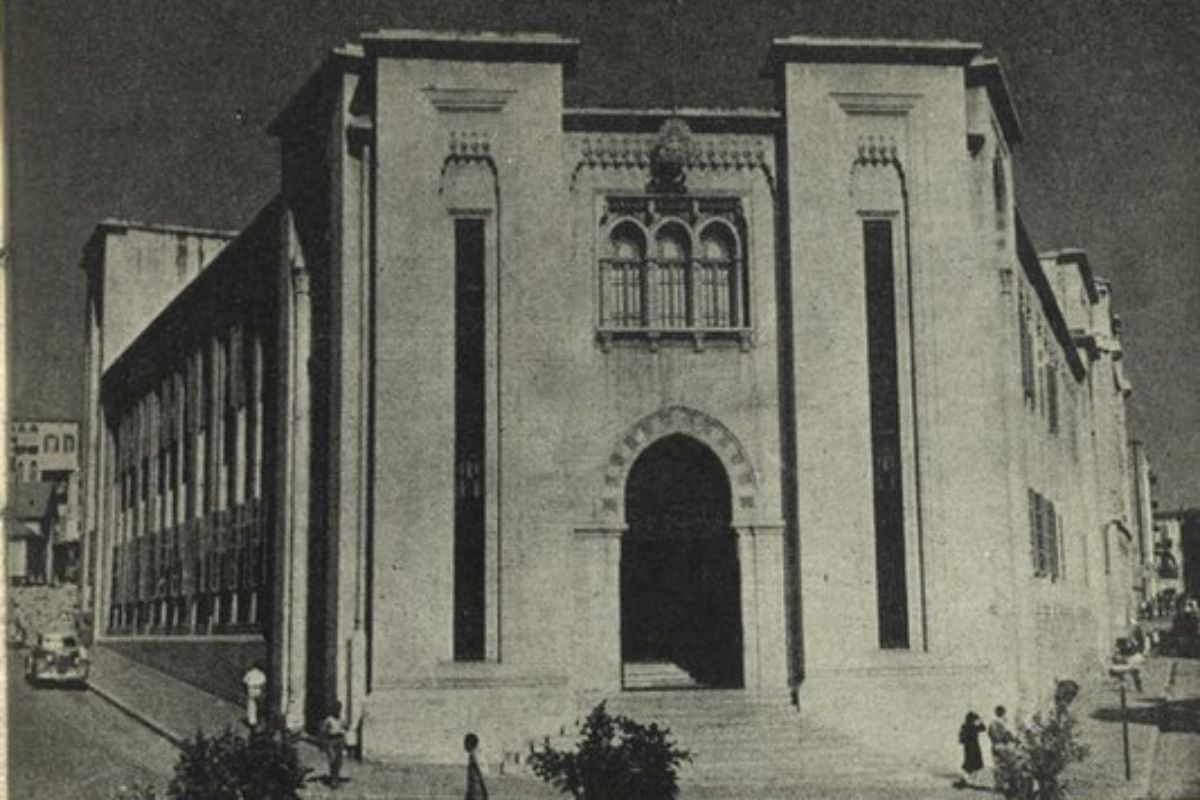

The Lebanese parliamentary elections of 1929 were significant in several respects. First, they represented the second parliamentary elections following the adoption of the Lebanese Constitution on May 23, 1926, under the French Mandate, and came nine years after the declaration of the State of Greater Lebanon in September 1920. Second, they marked the first election in which the Lebanese Armenian community was represented, albeit through the minorities seat, held by Abdullah Ishaq, an Armenian Catholic elected to represent Beirut.
By that time, thousands of Armenians had settled in Lebanon following their displacement during the Armenian Genocide. In 1924, Armenians were granted the right to apply for Lebanese citizenship; while some began the process, others-maintained hopes of returning to their homeland — hopes that later proved unrealistic but reflected the prevailing sentiment within the community at the time.
Generally, the elections of 1929 did not reflect political maturity, as no formal political parties were represented; instead, feudal families and za’ims dominated representation.
Initially, 30 lawmakers were to be elected and 15 appointed. However, Greek Orthodox appointee Habib Trad declined his appointment; as a result, 31 lawmakers were elected and 14 were appointed.
Beirut: 10 seats (6 elected, 4 appointed)
- Maronite (2): Emile Edde (appointed), George Tabet
- Sunni (4): Hussein Ahdab (appointed), Halim Kaddoura, Abdullah Bayham (appointed), Muhammad Fakhoury
- Greek Orthodox (2): Elias Fayad (died in 1930 and was replaced by Nicholas Fayad), Petro Trad
- Greek Catholic (1): Henri Pharaon (appointed)
- Minorities (1): Abdullah Ishaq (Armenian Catholic)
Beqaa: 6 seats (6 elected, 0 appointed)
- Maronite (1): Moussa Nammour
- Sunni (1): Hussein Kazoun
- Shia (2): Sabri Hamadeh, Ibrahim Haidar
- Greek Orthodox (1): Shibl Dammous
- Greek Catholic (1): Elias Skaff
Mount Lebanon: 13 seats (8 elected, 5 appointed)
- Maronite (8): Iskandar Bustani, Anis al-Khoury, Bechara al-Khoury (appointed), Habib Pasha Saad (appointed), Roukoz Abu Nader, Michel Zakkoour, Youssef al-Khazen, Youssef Sawda (appointed)
- Shia (1): Ahmad Husseini (appointed)
- Greek Orthodox (1): Gabriel Nassar
- Druze (3): Rashid Jumblatt, Salim Talhouk (appointed), Tawfiq Arslan (died in 1931 and was replaced by Majid Arslan)
North Lebanon: 6 seats (4 elected, 2 appointed)
- Maronite (3): Kabalan Frangieh, Massoud Younes, Youssef Estephan (appointed)
- Sunni (1): Abboud Abdel Razik
- Greek Orthodox (2): Abdullah Nawfal (appointed), Nicholas Ghosn
South Lebanon: 8 seats (6 elected, 2 appointed)
- Maronite (1): Sami Kanaan
- Sunni (1): Khaled Chehab
- Shia (5): Youssef al-Zein, Najib Osseiran, Fadel al-Fadel (appointed), Ali Nasrat al-Asaad (appointed), Abdel-Latif al-Asaad
- Greek Catholic (1): George Yacoub (( kevork 3))
Tripoli: 2 seats (1 elected, 1 appointed)
- Sunni (2): Muhammad al-Jisr (appointed), Rashad Adib
| Sect | Elected | Appointed | Total | Total |
|---|---|---|---|---|
| Maronite | 10 | 5 | 15 | 33% |
| Sunni | 6 | 3 | 9 | 20% |
| Shia | 5 | 3 | 8 | 18% |
| Greek Orthodox | 5 | 1 | 6 | 13% |
| Greek Catholic | 2 | 1 | 3 | 7% |
| Druze | 2 | 1 | 3 | 7% |
| Minorities | 1 | 0 | 1 | 2% |
| Total | 31 | 14 | 45 | 100% |
The Parliament was composed of 25 Christians (56%) and 20 Muslims (44%). At the chamber’s first meeting, members elected the speaker of Parliament. Muhammad al-Jisr, a Sunni from Tripoli, received 39 votes; Ibrahim Haidar, a Shia from the Beqaa, received one vote, while four ballots were cast blank. Therefore, Muhammad al-Jisr was elected speaker of Parliament. (( kevork ))




Leave a comment